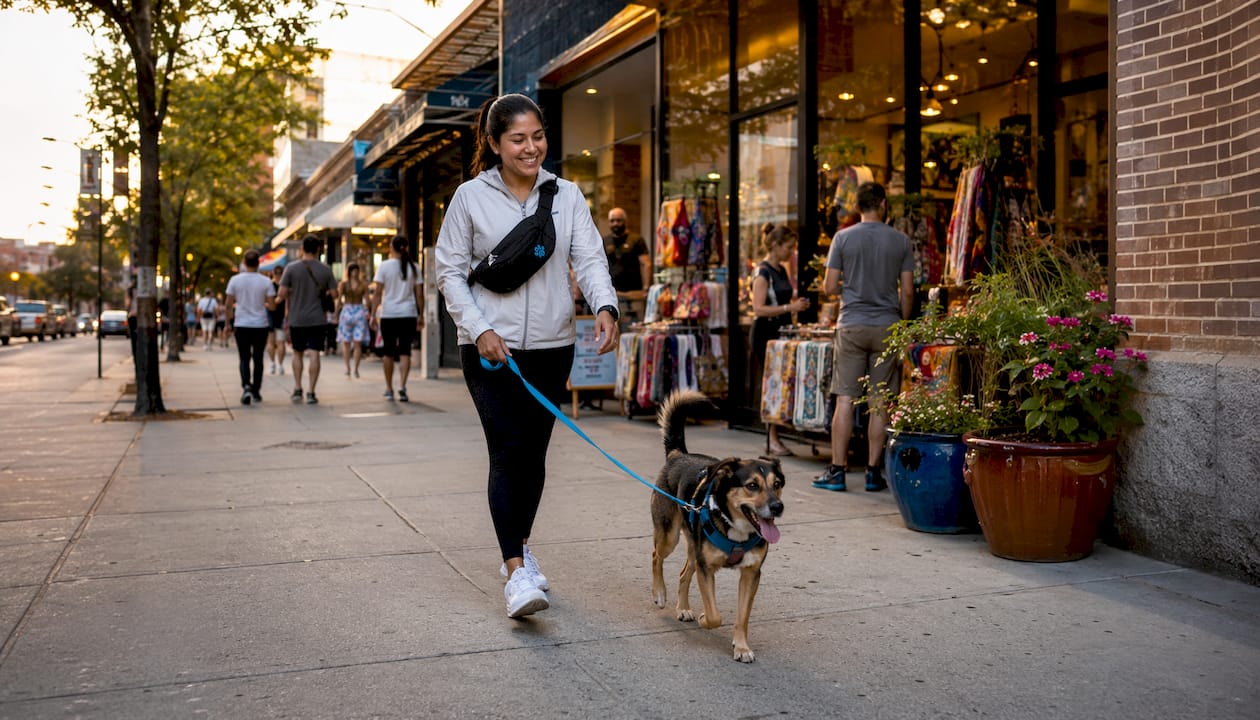
Daily walks support more than physical exercise. They give dogs opportunities to explore new scents, practice calm behavior, experience different environments, and spend focused time with their owners. For busy American households, the challenge is often creating a walking routine that remains realistic during workdays, school schedules, changing weather, and family responsibilities.
A successful routine does not always require one long walk. Several shorter outings may fit some dogs and households better. Owners can use practical dog walking resources to develop habits that match the animal’s age, health, energy level, and neighborhood environment.
Create a Consistent Walking Schedule
Dogs often respond well to predictable routines.
Choose walking times that fit normal household activity.
Morning walks may provide exercise before work, while evening walks can help dogs settle after a busy day.
Some dogs also need a short midday bathroom break.
Avoid creating a schedule that is difficult to maintain.
A realistic twenty-minute walk completed regularly may be more useful than an occasional long outing.
Consider daylight, temperature, traffic, and neighborhood activity when choosing times.
Keep some flexibility for weather and changing responsibilities.
Match Walk Length to the Individual Dog
Exercise needs differ by age, breed, size, health, and physical condition.
Young active dogs may need more movement and mental activity.
Senior dogs may prefer slower walks with additional rest.
Puppies often benefit from short outings rather than long-distance exercise.
Ask a veterinarian about suitable activity for dogs with medical conditions.
Useful everyday pet care advice can encourage owners to consider comfort and ability instead of following one schedule for every dog.
Watch how the dog behaves during and after each walk.
Allow Time for Sniffing
Walking is not only about covering distance.
Dogs gather information through scent.
Allowing time to sniff can provide mental activity and help make short walks more satisfying.
Choose safe areas where the dog can pause without blocking sidewalks or entering traffic.
Use a cue when it is time to continue.
Balance structured walking with opportunities for exploration.
Owners in a hurry may pull dogs away from every interesting smell.
A few planned sniffing breaks can improve the quality of the outing without adding much time.
Use Proper Walking Equipment
Choose a secure collar, harness, and leash suitable for the dog’s size and behavior.
Check equipment regularly for wear.
Replace cracked clips, damaged straps, loose stitching, and poorly fitting items.
Identification tags should remain readable.
A collar that is too loose may slip over the dog’s head.
A harness that rubs may cause discomfort.
Avoid using equipment without understanding how it should fit.
Ask a trainer or veterinary professional for guidance when the dog pulls strongly or has physical limitations.
Practice Calm Doorway Behavior
Excited dogs may rush through doors before a walk.
Teach the dog to pause while the leash is attached.
Open the door gradually.
If the dog pushes forward, close the door calmly and begin again.
Reward controlled behavior.
Do not create unnecessary conflict by shouting.
Doorway practice can reduce the chance of escape.
Keep identification attached before opening exterior doors.
Family members should follow the same routine.
Consistency helps the dog understand expectations.
Improve Loose-Leash Walking
Dogs do not automatically understand how to walk without pulling.
Begin in a quiet area.
Reward the dog when the leash remains loose.
Stop moving when strong pulling begins.
Continue when the leash relaxes.
Change direction occasionally to encourage attention.
Keep early sessions short.
Busy streets may be too distracting during initial training.
Current dog behavior alerts may help owners understand common walking challenges and the value of patient practice.
Avoid expecting immediate perfection.
Plan Safe Routes
Choose routes with suitable sidewalks, lighting, traffic control, and space.
Avoid areas with broken glass, heavy construction, unsafe debris, or uncontrolled dogs.
Consider seasonal conditions.
Hot pavement may affect paws.
Ice can create slipping risks.
Dark winter evenings may require reflective equipment.
Carry a phone and basic identification.
Tell a family member about longer walking routes when appropriate.
Vary routes occasionally to provide new smells and experiences.
Introduce unfamiliar areas gradually.
Prepare for Weather Changes
Weather conditions can affect walking safety.
During hot periods, choose cooler times of day.
Provide water during longer outings.
Watch for heavy panting, slowing, weakness, or unusual behavior.
During cold weather, consider the dog’s coat, size, age, and tolerance.
Use suitable protection when needed.
Dry paws after wet or snowy walks.
Check for ice, salt, mud, or debris.
Do not force a dog to continue when weather creates obvious discomfort.
Indoor activity can replace part of a walk during severe conditions.
Carry Basic Walking Supplies
Bring waste bags on every outing.
Carry extras in case another owner needs one.
A small water bottle may be useful during warm weather or long routes.
Bring suitable rewards for training.
Use a secure phone holder when necessary.
Avoid carrying so many items that leash control becomes difficult.
Keep supplies near the door.
Restock bags before they run out.
A prepared walking area can save time during busy mornings.
Stay Focused on the Dog
Phone use can reduce awareness.
Owners should watch traffic, approaching dogs, bicycles, children, wildlife, and changes in the environment.
Keep music volume low enough to hear surrounding activity.
Do not become distracted by long conversations.
Watch the dog’s body language.
A dog may notice a concern before the owner.
Early attention allows more time to create distance or change direction.
Focused walking improves safety for everyone.
Respect Other Dogs and People
Do not allow the dog to approach strangers without permission.
Some people are afraid of dogs.
Some dogs need space.
Keep the leash controlled in crowded areas.
Avoid allowing the dog to block sidewalks.
Move aside when necessary.
Ask before permitting greetings.
Keep interactions brief.
Do not assume that a wagging tail always means comfort.
General community pet headlines may provide local awareness, but owners remain responsible for behavior during every walk.
Use Short Walks for Training
Busy owners can combine exercise with simple training.
Practice name response, waiting, loose-leash walking, calm greetings, and returning attention.
Reward success.
Use familiar cues.
Avoid turning every walk into a strict lesson.
Dogs still need time to explore.
Choose one or two skills per outing.
Short practice periods can create steady progress.
End training before the dog becomes frustrated.
Create Backup Plans
Work delays, illness, travel, and family emergencies may affect routines.
Identify a trusted relative, neighbor, walker, or pet sitter.
Provide clear instructions.
Share information about equipment, routes, behavior, and emergency contacts.
Confirm that the backup caregiver can handle the dog safely.
Keep extra supplies available.
Do not assume that one missed long walk will create a serious problem.
Use indoor play, food puzzles, scent games, and short training when schedules change.
Review the Routine Regularly
A dog’s walking needs may change over time.
Age, health, weight, season, behavior, and household schedules can affect the best routine.
Observe energy after walks.
A dog that remains restless may need additional activity.
A dog that appears sore or unusually tired may need adjustment.
Discuss major changes with a veterinarian.
Busy owners can maintain strong walking habits by focusing on consistency rather than perfection. A safe route, suitable equipment, regular timing, controlled leash behavior, and opportunities to sniff can make each outing more useful. Even shorter walks can support health and behavior when they are completed with attention and purpose.