Small towns offer a different kind of American travel experience. Instead of crowded attractions, expensive parking, and tightly packed schedules, visitors can enjoy historic streets, local restaurants, scenic landscapes, family-owned businesses, and a slower pace. Many small communities also provide access to lakes, mountains, forests, beaches, and regional traditions that are difficult to experience in larger cities.
The best small-town trips are not built around completing a long attraction list. They work because travelers have time to walk, talk with local business owners, explore regional food, and discover places that do not appear in every national travel guide. A weekend may be enough for one community, while a longer road trip can connect several towns within the same region.
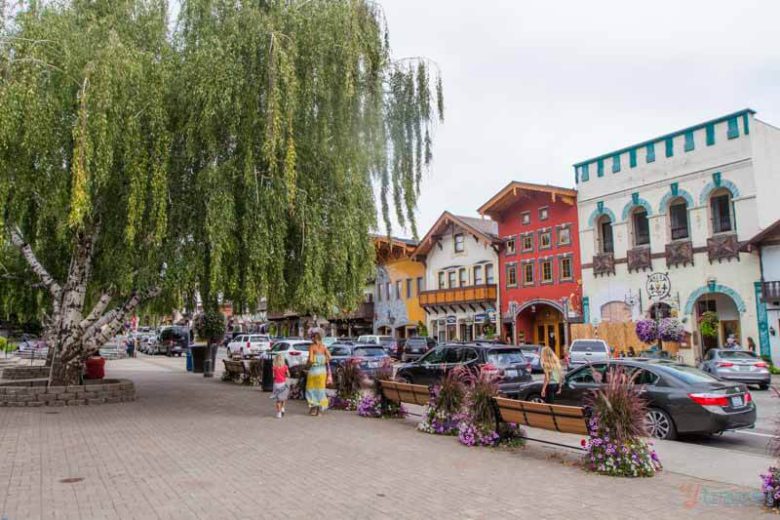
Explore Historic Downtown Districts
Many American small towns have preserved downtown areas filled with older buildings, independent shops, local restaurants, public squares, and community landmarks.
Walking is often the best way to explore.
Travelers may discover bookstores, bakeries, antique shops, art galleries, local museums, and historic homes within a few blocks.
Visitors should avoid rushing from one location to another.
Part of the experience comes from noticing small details, such as local architecture, public art, restored theaters, and community gathering spaces.
Historic downtown districts may also host farmers markets, seasonal celebrations, and evening events.
Travelers should review local schedules before arrival.
Visit Mountain Communities
Mountain towns can provide outdoor activities, scenic drives, cool weather, local restaurants, and relaxing accommodation.
Colorado, North Carolina, Tennessee, Montana, Vermont, and several other states offer memorable mountain destinations.
Summer visitors may enjoy hiking, lakes, festivals, and outdoor dining.
Winter travelers may find snow activities, cabins, and seasonal events.
Mountain roads can require additional preparation.
Weather changes quickly, and certain routes may close during colder months.
Travelers should review road conditions and avoid planning unrealistic driving times.
A quiet mountain town can provide a refreshing alternative to a crowded resort.
Discover Small Coastal Towns
Coastal travel does not always require staying in a major beach city.
Smaller communities may offer public beaches, fishing areas, local seafood, waterfront walks, and quieter accommodation.
Travelers can explore towns along the Atlantic, Pacific, Gulf Coast, and Great Lakes.
Morning walks often provide peaceful views before popular areas become busy.
Visitors may also enjoy local marinas, historic lighthouses, markets, and small museums.
Beach access rules should be checked before arrival.
Some areas require parking permits or seasonal fees.
A smaller coastal destination may provide better value for travelers who prefer a relaxed vacation.
Plan A Main Street Weekend
A Main Street weekend focuses on local businesses and simple experiences.
Travelers may begin with breakfast at a family-owned restaurant, explore shops during the afternoon, and attend a community event in the evening.
Small towns often become more enjoyable when visitors do not overplan.
One or two major activities may be enough.
Travelers should leave time for unexpected discoveries.
A local bookstore, coffee shop, public park, or roadside market may become the favorite part of the trip.
Supporting independent businesses also keeps travel spending within the local community.
Attend A Seasonal Festival
Many towns organize festivals around food, agriculture, music, history, art, or local traditions.
These events can provide a strong introduction to the community.
Visitors may experience regional dishes, live entertainment, handmade products, and family activities.
Popular festivals may attract large crowds.
Travelers should reserve accommodation early.
Parking and transportation information should also be reviewed.
Festival weekends sometimes increase hotel prices.
Visitors should compare nearby communities if accommodation becomes expensive.
A local event can add energy to a small-town trip without requiring several paid attractions.
Explore Regional Food
Local restaurants often reflect the history and agriculture of the surrounding area.
Travelers may discover barbecue, seafood, regional desserts, farm products, local coffee, baked goods, and traditional family recipes.
Small-town dining does not need to be expensive.
Diners, markets, food stands, bakeries, and casual restaurants can provide memorable meals.
Travelers should check operating hours.
Some small businesses close earlier or operate only on selected days.
Visitors may ask local residents for recommendations.
However, every meal should not be planned so tightly that the trip becomes stressful.
Stay In Locally Owned Accommodation
Independent inns, cabins, guesthouses, motels, and small hotels may provide an experience connected to the destination.
Travelers should review recent guest information before booking.
Location, parking, room size, and check-in procedures matter.
Some locally owned properties provide personal recommendations about nearby activities.
Others may have limited services compared with large hotels.
Travelers should understand what is included.
A smaller property can feel welcoming, but convenience and comfort should remain part of the decision.
Prepare For Limited Business Hours
Small communities may operate differently from major cities.
Restaurants may close early.
Stores may not open every day.
Transportation services can be limited.
Travelers should identify important services before arrival.
Fuel stations, pharmacies, grocery stores, and medical facilities may be separated by longer distances.
Planning does not require removing spontaneity.
It simply prevents unnecessary problems.
Visitors should avoid assuming that every service will remain available late at night.
Organize Online Reservations
Small-town trips may involve hotel accounts, attraction tickets, rental platforms, and travel services.
Travelers should confirm access before leaving home.
Anyone having difficulty opening an important account may find help with common online login problems useful during preparation.
Reservation details should also be saved offline.
Screenshots provide quick access when mobile service becomes weak.
Printed information may be useful in remote regions.
Travelers should keep addresses and phone numbers available.
Digital convenience works best when a backup exists.
Prepare For Minor Health Needs
Travelers may experience changing temperatures, dry hotel air, outdoor activity, pollen, dust, or long driving periods.
Basic health preparation can improve comfort.
Anyone planning for possible throat irritation may review a practical guide to sore throat medicines before beginning the journey.
Personal medicines should remain easy to reach.
Travelers should bring enough regularly used products for the entire trip.
Small communities may not carry every preferred item.
Preparation at home reduces the need to search after arrival.
Address Recurring Throat Concerns
Travelers managing recurring concerns should prepare before visiting remote areas.
Pharmacies and health services may operate with limited hours.
Anyone looking for general information may review available tonsil stone treatment guidance while organizing travel supplies.
Persistent concerns should receive appropriate attention before a long trip.
Travelers should remain hydrated and carry personal products when needed.
Good preparation allows visitors to focus on the destination instead of locating unfamiliar services.
Follow Regional News Before Traveling
Local weather, community events, road work, and seasonal conditions may affect the trip.
Travelers should review current information before departure.
Those considering northern destinations or nearby Canadian routes may follow Ontario regional news and travel updates while planning.
Current information can provide useful context.
However, official transportation and local notices should guide safety decisions.
Travelers should remain flexible when weather or road conditions change.
Small-town travel works best when plans can adapt.
Respect Local Communities
Visitors should remember that small towns are homes, not attractions designed only for tourists.
Private property should remain respected.
Travelers should follow parking rules, keep noise reasonable, and avoid blocking local businesses.
Photography should remain considerate.
Visitors may ask before photographing people or private spaces.
Supporting local businesses provides a positive contribution.
Travelers should also avoid leaving waste behind.
Respectful behavior strengthens the relationship between visitors and local communities.
Take Scenic Routes
The roads between small towns can become part of the experience.
Travelers may pass farmland, forests, rivers, mountains, historic sites, and roadside businesses.
A slower route may provide more interesting stops than a major highway.
However, drivers should review road conditions and fuel availability.
Long detours should remain realistic.
Travelers can identify several optional stops without creating a strict schedule.
Scenic travel becomes more enjoyable when there is time to stop safely.
Visit Local Museums
Small museums often preserve stories that larger institutions overlook.
Visitors may learn about local industries, transportation, agriculture, immigration, military history, art, or notable residents.
Admission may be affordable.
Operating hours can be limited.
Travelers should check schedules before arrival.
Local museums may be managed by volunteers.
Visitors should respect exhibits and follow photography rules.
Even a short visit can provide useful context for the rest of the community.
Explore Parks And Natural Areas
Many small towns are surrounded by outdoor destinations.
Travelers may find riverside parks, lakes, walking trails, forests, beaches, and scenic overlooks.
Public parks provide affordable places for picnics and rest.
Families may use playgrounds during road trips.
Visitors should follow local rules.
Waste should be removed.
Wildlife should remain undisturbed.
Travelers should avoid entering closed areas.
Simple outdoor experiences often become some of the most memorable parts of a small-town journey.
Avoid Overloading The Itinerary
Small-town travel should not feel rushed.
Visitors do not need to enter every shop or complete every activity.
A relaxed breakfast, long walk, local conversation, or quiet evening may provide more value than a packed schedule.
Travelers should select a few priorities.
Everything else can remain optional.
Weather and local events may change plans.
Flexibility creates room for discovery.
The strongest small-town trips often include experiences that were never scheduled.
Create A Regional Route
Travelers with additional time may connect several towns.
A regional route can include different landscapes, foods, and local traditions.
Daily driving distances should remain reasonable.
Staying one or two nights in each area provides more time for exploration.
Travelers should avoid treating every town as a quick photograph stop.
Slower travel creates a deeper experience.
Fuel, accommodation, and meal costs should remain part of the budget.
A focused route usually works better than crossing several distant states.
Small towns reveal parts of the United States that travelers may miss when visiting only major destinations.
Historic streets, local food, natural scenery, seasonal events, and independent businesses create experiences that feel personal and memorable.
By traveling slowly, supporting local communities, and leaving room for unexpected discoveries, visitors can experience a quieter and more meaningful side of American travel.