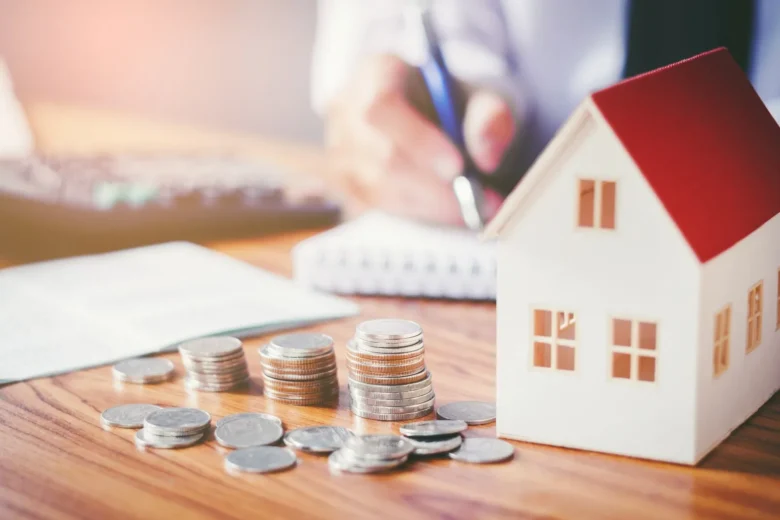
Renting can provide flexibility, but many tenants eventually begin thinking about homeownership. The challenge is turning that future goal into a practical savings plan while continuing to pay rent, utilities, transportation, insurance, groceries, and other monthly expenses.
Home Buying Savings Tips For American Renters work best when the goal is divided into smaller financial steps. Saving for a home involves more than building a down payment. Buyers may also need money for moving, inspections, closing expenses, repairs, furnishings, and emergency costs after the purchase.
Renters can compare local companies, neighborhood services, and housing-related businesses through regional property and business listings while researching possible areas. However, a strong savings plan should begin before a specific home is selected.
The goal is not to save as quickly as possible while ignoring every other financial responsibility. Future buyers need a balanced plan that protects emergency savings, manages debt, and builds a realistic home fund over time.
Calculate A Realistic Home Savings Target
Many renters begin saving without knowing how much money they may need. A general goal can provide motivation, but a detailed estimate creates a clearer monthly plan.
Start by considering the expected home price range, possible upfront costs, moving expenses, and the amount of emergency savings the household wants to keep after buying.
Separate The Down Payment From Other Expenses
The down payment is one major cost, but it should not receive every available dollar.
Create separate estimates for inspections, moving, basic repairs, utility deposits, furnishings, and other expected expenses. Keeping these categories separate prevents the down payment target from hiding additional costs.
A renter who saves only for the purchase may feel financially unprepared after receiving the keys. Homeownership often creates immediate expenses that were not part of the rental budget.
Keep Emergency Savings Outside The Home Fund
Emergency savings should remain available for income changes, medical costs, vehicle repairs, and unexpected household needs.
Using every dollar for a home purchase may leave the buyer dependent on credit cards after a repair or financial setback.
A dedicated emergency account creates protection during the transition from renting to ownership. The home fund should grow alongside it rather than replace it.
Home Buying Savings Tips For American Renters Managing Monthly Costs
Rent can make saving difficult, especially in areas with high housing costs. The solution is not always a dramatic lifestyle change. Consistent progress often comes from improving several smaller parts of the monthly budget.
Review expenses using actual bank and card activity rather than estimates. Small recurring charges may reveal money that can be redirected toward the home goal.
Create An Automatic Home Savings Transfer
Choose an affordable amount and schedule the transfer after each payday.
Automatic saving reduces the need to make the same decision every month. Even a modest contribution creates visible progress when it continues consistently.
Workers may increase the transfer after receiving a raise, paying off debt, or reducing a recurring bill. Financial and housing updates from Maryland community and market reporting may also provide regional context while future buyers evaluate changing household costs.
The transfer should challenge the budget without causing missed bills or new debt.
Reduce Housing Costs Without Sacrificing Stability
Some renters may lower expenses by renewing at a reasonable rate, choosing a smaller unit, sharing housing costs, or moving closer to work.
However, moving has its own expenses. Deposits, transportation, utility changes, and time away from work may reduce the expected savings.
Compare the complete cost before changing housing. A lower monthly rent is useful only when the new arrangement remains safe, practical, and financially beneficial.
Improve Credit And Debt Before Home Shopping
Savings receive most of the attention during home planning, but existing debt and payment habits also affect long-term affordability.
Future buyers should review credit information early and create a manageable plan for high-cost balances.
Pay Every Account On Time
Consistent payments support financial stability and reduce late fees.
Set automatic minimum payments when appropriate and keep enough money in the connected account. Calendar reminders can provide additional protection.
Avoid opening unnecessary accounts while preparing for a major home purchase. New debt may increase monthly obligations and reduce the amount available for future housing costs.
Reduce Expensive Debt Gradually
Credit card balances and other high-cost debt can compete with home savings.
Create a repayment plan that protects required payments while directing additional money toward one priority balance.
When a debt is paid, redirect the former payment into the home fund. This approach increases savings without requiring a completely new budget.
Regional information from Wisconsin household and business coverage may also help renters remain aware of changing economic conditions while preparing long-term financial plans.
Prepare For The Full Cost Of Homeownership
A mortgage payment is only part of owning a home.
Future owners may also manage insurance, taxes, maintenance, utilities, repairs, association charges, and changing transportation expenses.
Practice A Future Home Budget
Estimate the expected monthly ownership cost and compare it with current rent.
Transfer part of the difference into savings before buying. This creates additional funds while testing whether the future payment feels manageable.
For example, a renter expecting housing costs to rise may begin saving part of that increase each month. The practice period can reveal whether other budget categories need adjustment.
Build A Home Maintenance Category
Homes require regular care.
Future owners should expect small repairs, seasonal maintenance, replacement of household systems, and occasional larger expenses.
A separate maintenance fund can reduce dependence on credit. Renters following Michigan property, business, and community updates may also find regional information useful while comparing future ownership locations.
The exact amount will differ by property, but preparing before purchase creates greater flexibility.
Increase Savings Without Making Life Unmanageable
Extreme saving plans often create frustration. Renters may remove entertainment, travel, personal spending, and every optional purchase, only to abandon the plan after a few months.
A sustainable approach protects progress while allowing normal life.
Use Unexpected Income With A Clear Formula
Tax refunds, bonuses, gifts, rebates, and side income may accelerate the home fund.
Choose a percentage in advance. Part may support the home goal, while the remainder can strengthen emergency savings, reduce debt, or cover current needs.
A clear formula prevents emotional decisions after unexpected money arrives.
Track Progress Monthly Instead Of Daily
Home savings often take time.
Checking the balance every day may create disappointment when progress feels slow. A monthly review provides a more useful picture.
Record the current balance, amount added, debt reduction, and next milestone. Celebrate progress without creating new spending pressure.
A long-term goal becomes easier when success is measured through steady actions rather than one final number.
Conclusion
Saving for a home should strengthen the household rather than create financial exhaustion.
Renters need a plan that includes the down payment, purchase expenses, emergency savings, repairs, and future monthly ownership costs.
Home Buying Savings Tips For American Renters become more effective when automatic contributions are combined with debt reduction and realistic spending limits.
The process may take longer than expected, especially when rent and household costs rise. That does not mean the plan is failing. Consistent saving, accurate budgeting, and stronger financial habits continue to improve future options.
Review the goal every few months and adjust after changes in income, rent, family needs, or housing plans.
Begin by opening a separate home savings category and scheduling one automatic transfer after the next payday.
Frequently Asked Questions
How much should renters save before buying a home?
The amount depends on the expected purchase price, down payment plan, closing expenses, moving costs, repairs, and desired emergency savings. Renters should create separate targets instead of placing every expense into one number.
Should emergency savings be used for a home purchase?
Using all emergency money may leave the household vulnerable after buying. Keeping a separate reserve can help cover unexpected repairs, income changes, medical costs, or other urgent expenses.
Can renters save for a home while paying debt?
Yes. Many households make required debt payments, direct extra money toward expensive balances, and continue manageable home savings at the same time.
Is automatic saving useful for future home buyers?
Automatic transfers create consistency and reduce the temptation to spend money intended for the home goal. The amount should remain affordable within the monthly budget.
Should renters reduce retirement contributions to save faster?
The right balance depends on income, workplace benefits, debt, and personal goals. Future buyers should consider the long-term value of retirement saving before making major reductions.
How can renters estimate future ownership costs?
Include mortgage payments, taxes, insurance, utilities, repairs, maintenance, association charges, and possible transportation changes when building an estimate.
Is moving to cheaper rent always a good savings strategy?
Not always. Compare moving costs, deposits, commuting expenses, safety, convenience, and the length of time the lower rent will be available.
How often should a home savings plan be reviewed?
A monthly progress check and a more complete review every few months can help renters adjust contributions after income, rent, debt, or housing goals change.