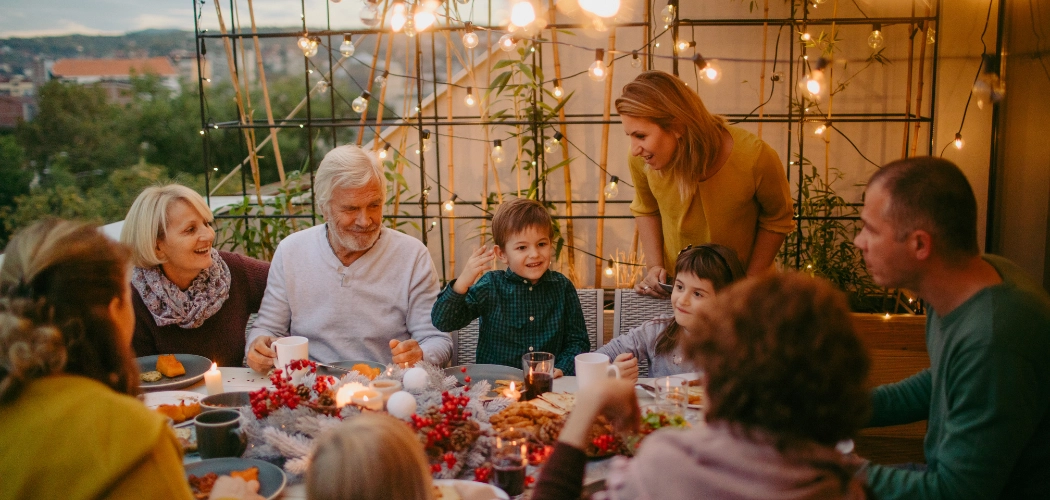
Family traditions give ordinary moments lasting meaning. They create familiar experiences that children remember as they grow and help relatives remain connected during busy seasons. American families do not need expensive vacations or complicated celebrations to build strong traditions. Small activities repeated with care can become some of the most valued family memories.
Traditions may happen every day, once a week, during holidays, or at important life events. The strongest ideas usually fit the family’s real schedule, values, budget, and personality.
Begin With Existing Family Habits
Many families already have traditions without calling them traditions.
Examples may include:
Friday movie nights.
Weekend breakfasts.
Birthday dinners.
Holiday baking.
Summer road trips.
Evening walks.
School-year photos.
Parents can begin by noticing which activities family members already enjoy.
Families exploring meaningful family lifestyle ideas may discover simple ways to turn familiar routines into lasting traditions.
A tradition becomes meaningful through repetition and shared attention.
Create a Weekly Family Meal
Choose one meal each week that family members try to share.
The meal does not need to be formal.
Families may choose:
Sunday breakfast.
Friday pizza.
Saturday dinner.
Weekend brunch.
Taco night.
Homemade soup night.
Children can help prepare food or set the table.
The purpose is creating predictable time together.
Start a Birthday Tradition
Birthdays provide opportunities for personal family customs.
Ideas include:
Preparing a favorite breakfast.
Writing a yearly letter.
Displaying childhood photos.
Letting the birthday person choose dinner.
Taking a family picture in the same location.
Sharing favorite memories.
Parents may keep letters or photos in a special box.
Over time, the collection becomes a record of growth.
Create Seasonal Activities
Each season offers simple family traditions.
Spring ideas may include:
Planting flowers.
Visiting a park.
Cleaning outdoor spaces together.
Summer traditions may include:
Backyard meals.
Local trips.
Outdoor games.
Autumn activities may include:
Baking.
Nature walks.
Seasonal decorating.
Winter may include:
Family movies.
Indoor games.
Holiday meals.
Organized family activity directories may provide additional inspiration for seasonal events and household traditions.
The activity should remain easy enough to repeat.
Build a Family Memory Book
A memory book can include:
Photos.
Children’s drawings.
Travel notes.
Tickets.
Family quotes.
School achievements.
Holiday messages.
Parents do not need to update it every week.
A few pages each year may be enough.
Children can help choose items.
The book may become more meaningful as the family grows.
Use Simple Evening Traditions
Daily traditions create connection without requiring large amounts of time.
Families may:
Read together.
Share one positive part of the day.
Talk before bedtime.
Prepare tomorrow’s schedule.
Take a short walk.
Say goodnight in a special way.
Even ten minutes can become important.
Consistency helps children feel secure.
Celebrate Small Achievements
Families do not need to wait for major events.
They can recognize:
Completing a school project.
Learning a new skill.
Reaching a personal goal.
Finishing a difficult week.
Helping another person.
Celebrations may include a favorite meal, family message, or simple activity.
Helpful family celebration and lifestyle notes may inspire practical ways to recognize everyday progress.
The focus should remain on effort and growth.
Create a Family Game Night
Choose a regular time for games.
Families may use:
Board games.
Card games.
Puzzles.
Trivia.
Building activities.
Outdoor games.
Different family members can choose the activity each week.
Keep the atmosphere relaxed.
Winning should not become more important than spending time together.
Build Holiday Traditions Gradually
Holiday traditions may include:
Preparing a special meal.
Decorating together.
Watching a favorite movie.
Visiting relatives.
Sharing family stories.
Giving handmade gifts.
Volunteering.
Families do not need to copy every tradition from previous generations.
They can keep meaningful customs and create new ones.
Share Family Stories
Children often enjoy hearing stories about parents, grandparents, and relatives.
Family members can discuss:
Childhood memories.
School experiences.
First jobs.
Family moves.
Funny mistakes.
Important lessons.
Stories help younger generations understand family history.
Parents can record stories in writing or audio.
Local community and family tradition updates may also inspire customs connected to local events and neighborhood life.
Create a First-Day-of-School Tradition
School milestones can become meaningful family moments.
Ideas include:
Taking a yearly photo.
Preparing a special breakfast.
Writing a short encouragement note.
Measuring height.
Sharing goals for the year.
Families can repeat the same activity each year.
The tradition creates a record of change.
Plan an Annual Family Day
Choose one day each year for a family activity.
The plan may include:
A picnic.
A local attraction.
A favorite restaurant.
A home celebration.
A nature trip.
A family photo session.
The activity does not need to be expensive.
Choose something family members can anticipate.
Include Grandparents and Relatives
Extended family traditions may strengthen relationships.
Families can:
Hold regular calls.
Share holiday meals.
Create annual reunions.
Exchange family recipes.
Celebrate birthdays together.
Visit familiar places.
Distance may require virtual participation.
The important part is maintaining connection.
Create a Family Recipe Collection
Family recipes can preserve memories.
Parents may collect:
Favorite meals.
Holiday dishes.
Desserts.
Cultural foods.
Simple weeknight recipes.
Add notes about who prepared each dish.
Children can help cook.
The collection may be handwritten or digital.
Start a Gratitude Tradition
Family members can share something they appreciate.
This may happen:
During dinner.
Before bedtime.
At the end of the week.
During holidays.
Keep the activity natural.
Children should not feel pressured to give perfect answers.
Small observations are meaningful.
Allow Traditions to Change
Family schedules and needs change.
Children grow older.
Relatives move.
Work responsibilities increase.
A tradition may need a new time, location, or format.
Changing a tradition does not remove its value.
Flexibility helps it continue.
Avoid Making Traditions Stressful
A tradition should support family connection.
It should not create pressure to spend money or produce perfect results.
If an activity becomes exhausting, simplify it.
Families may reduce decorations, shorten travel, or change the schedule.
Meaning comes from people, not complexity.
Let Children Contribute Ideas
Children are more likely to value traditions when they participate.
Ask:
What activity should we repeat?
What meal feels special?
What do you enjoy during holidays?
What new tradition should we create?
Parents can choose ideas that fit family responsibilities.
Preserve Memories Without Missing the Moment
Photos and videos can protect memories.
However, family members should also participate fully.
Take a few pictures and then put the device away.
Conversation and shared experience matter more than recording every detail.
Family tradition ideas for USA meaningful memories should remain personal and realistic. A weekly meal, birthday letter, seasonal walk, family game, or repeated story can become important over time.
Traditions give families something familiar to return to. The strongest traditions are not always the largest. They are the ones family members remember because they felt connected, included, and valued.