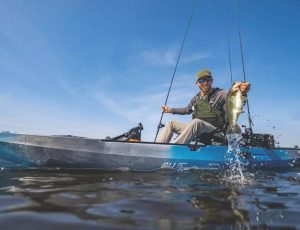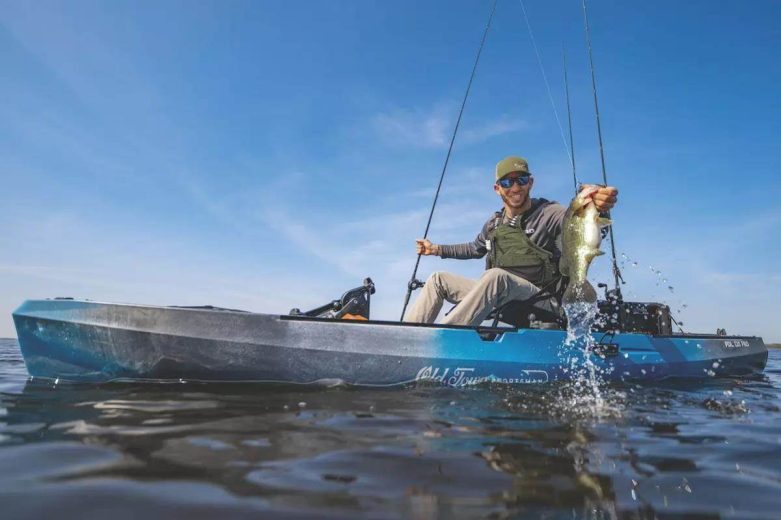
Fishing has always been about patience, skill, and the excitement of making a great catch. However, the way people approach this outdoor activity is changing. While traditional fishing boats and shoreline fishing remain popular, more anglers are discovering the advantages of fishing kayaks. These compact watercraft offer an exciting combination of independence, convenience, and accessibility.
Whether exploring peaceful lakes, winding rivers, or sheltered coastal waters, a fishing kayak allows anglers to experience their favourite hobby from a different perspective. Their practical design and versatility make them an appealing choice for beginners and experienced fishing enthusiasts alike.
Greater Freedom to Explore Different Fishing Locations
One of the biggest attractions of fishing kayaks is the freedom they provide. Traditional boats often require designated launching facilities, trailers, and additional equipment. Fishing kayaks, on the other hand, can be transported and launched from many suitable access points With relatively little preparation.
This flexibility allows anglers to explore quieter fishing locations that may be difficult to reach from the shoreline. Narrow waterways, secluded lake areas, and sheltered bays become more accessible when using a compact kayak.
For anglers who enjoy discovering new fishing spots, this freedom adds another dimension to their outdoor adventures. However, checking local access regulations, water conditions, and launching restrictions remains essential.
A More Affordable Way to Enjoy Fishing
Owning and maintaining a traditional fishing boat can involve considerable expenses. Fuel, storage, maintenance, and transportation costs can quickly increase, particularly for occasional anglers.
Fishing kayaks offer a practical alternative for people who want to enjoy fishing without committing to the financial responsibilities of larger watercraft.
Most paddle-powered fishing kayaks do not require fuel, and their smaller size makes storage and transportation easier. Many models can be transported using suitable vehicle roof racks, reducing the need for specialised towing equipment.
Although the initial investment varies depending on the kayak’s features, fishing kayaks can provide an economical entry into recreational fishing.
Comfortable Designs for Longer Fishing Sessions
Modern fishing kayaks are designed with angler comfort and convenience in mind. Many models include adjustable seating, spacious foot areas, fishing rod holders, and dedicated storage compartments.
A sit on top kayak is particularly popular among fishing enthusiasts because of its open deck design. This arrangement makes it easier to access fishing equipment, adjust seating positions, and manage catches.
The open design also allows water that enters the deck to drain through designated scupper holes on suitable models.
When selecting a fishing kayak, anglers should consider seating comfort, weight capacity, stability, and available storage. These features can make a noticeable difference during extended fishing trips.
A Quiet Approach to Fishing
Fishing often requires patience and minimal disturbance. Large motorised boats can create noise and movement that may disrupt the surrounding environment.
Fishing kayaks provide a quieter alternative, especially when paddled carefully through calm waters. Their relatively small size allows anglers to approach suitable fishing areas without generating significant engine noise.
This quieter experience can be particularly appealing to people who enjoy observing wildlife and spending time in natural surroundings.
While using a kayak does not guarantee better catches, it can create a more peaceful and immersive fishing experience.
Safety and Confidence on the Water
Safety should remain a priority whenever anglers venture onto the water. Weather conditions, changing currents, and unexpected waves can create challenges, even for experienced paddlers.
Wearing a properly fitted buoyancy aid is an important safety precaution. It provides flotation support and should be worn throughout the fishing trip rather than stored inside the kayak.
Anglers should also carry suitable communication equipment, check weather forecasts, and inform someone about their planned route.
Choosing a kayak appropriate for the intended water conditions is equally important. Beginners should develop their paddling skills in calm, sheltered environments before exploring more demanding locations.
Understanding personal limits and practicing basic rescue techniques can help anglers enjoy their adventures with greater confidence.
Combining Fishing With Physical Activity
Another reason fishing kayaks are gaining attention is their ability to combine recreational fishing with outdoor exercise.
Paddling engages muscles throughout the upper body and core while encouraging balance and coordination. Unlike fishing from a stationary shoreline position, kayak fishing naturally involves movement between different locations.
This combination appeals to people who want to spend more time outdoors while maintaining an active lifestyle.
Anglers can also adjust the intensity of their activity by choosing shorter routes, calmer waters, and comfortable paddling speeds.
Conclusion
Fishing kayaks are changing how anglers experience their favorite outdoor activity. Their affordability, portability, practical features, and ability to access different fishing locations make them an attractive alternative to traditional boats.
From peaceful lake excursions to adventurous fishing trips, these compact watercraft offer opportunities for exploration and relaxation. With appropriate equipment, careful preparation, and attention to safety, fishing kayaks provide an enjoyable way to experience greater freedom on the water.