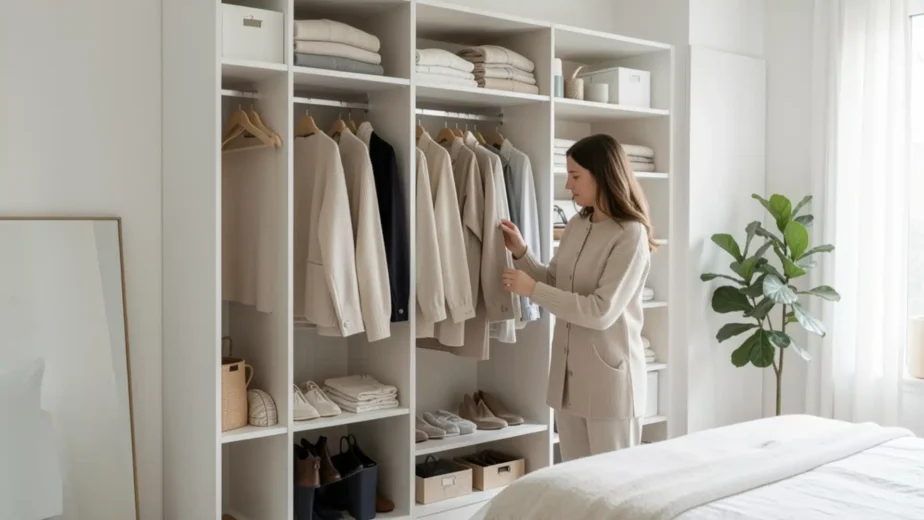
A minimalist wardrobe does not mean wearing the same plain outfit every day or removing every colorful item from the closet. For many Americans, it means owning a practical collection of clothing that fits well, works across several situations, and reduces the stress of getting dressed.
Daily schedules may include work, errands, school activities, commuting, exercise, family responsibilities, and casual social plans. A useful wardrobe should support these routines without requiring constant shopping. The focus is not on owning as little as possible. It is on keeping clothing that earns its space through comfort, usefulness, and regular wear.
People interested in simple everyday fashion ideas can begin by studying their existing habits before removing items or purchasing a completely new collection.
Define What Minimalism Means Personally
Minimalism looks different for every person.
Someone working in a formal office may need several suits, dress shirts, and professional shoes. A remote worker may rely more heavily on knitwear, casual trousers, and comfortable layers.
Parents, students, travelers, outdoor workers, and people living in different climates also have different requirements.
Avoid copying an exact wardrobe number from social media. A collection of thirty pieces may work for one person and feel restrictive for another.
Begin by identifying the clothing categories used during a normal month.
The goal is to remove unnecessary duplication while keeping enough variety for real life.
Review The Most Frequently Worn Clothing
Look at the items worn during the previous two weeks.
These pieces often reveal preferred colors, fits, fabrics, and outfit shapes.
Someone may repeatedly choose straight jeans, soft shirts, light jackets, and sneakers. Another person may prefer dresses, cardigans, and comfortable flats.
Regular use is more informative than imagined style.
Place favorite clothing together and look for common features.
These patterns can guide future purchases and make the wardrobe more consistent.
Coverage from practical fashion and lifestyle writers often shows that personal habits provide a stronger foundation than temporary trends.
Create A Reliable Color Palette
A coordinated color palette makes mixing easier.
Neutral colors such as black, navy, gray, cream, white, beige, brown, and olive can form a flexible foundation.
Additional colors can provide personality.
Someone may use navy, cream, and denim as the base while adding green and burgundy. Another person may prefer black, gray, white, and bright blue.
The palette should reflect real preferences rather than strict minimalist rules.
Avoid keeping colors that are rarely worn only because they are considered classic.
A useful color should coordinate with several existing items.
Build Around Everyday Basics
Basics are clothing pieces that support many outfits.
Common examples include plain shirts, comfortable trousers, dependable jeans, knit sweaters, cardigans, simple dresses, lightweight jackets, and practical shoes.
The best basics fit well and feel comfortable.
A white shirt is not useful when the wearer dislikes white clothing or avoids the fabric.
Choose basics based on daily routines.
One person may need several polished work tops. Another may receive more value from casual cotton shirts.
A minimalist wardrobe should reduce decisions, not force everyone into the same clothing list.
Keep Several Outfit Formulas
An outfit formula is a repeated structure that makes dressing easier.
One formula may include straight jeans, a fitted shirt, an overshirt, and sneakers.
Another may use wide-leg trousers, a tucked knit top, and loafers.
A casual dress, light jacket, and flat shoes can become another dependable combination.
Formulas create consistency without requiring identical outfits.
Colors, textures, shoes, and accessories can change while the basic structure remains familiar.
Readers looking for clear wardrobe planning guidance can use outfit formulas to reduce unnecessary shopping and improve the use of existing clothing.
Avoid Buying Too Many Similar Pieces
Minimalist wardrobes can still become crowded with duplicates.
Five nearly identical black shirts may not create meaningful variety.
Before purchasing, compare the new item with clothing already owned.
Ask whether it provides a different function, fit, fabric, or level of formality.
Duplicates are useful when an item is worn frequently and supports the routine.
However, repeated purchases may also happen because people forget what is already in the closet.
A quick wardrobe inventory can prevent unnecessary buying.
Choose Layers That Work Across Seasons
Layering increases the usefulness of clothing.
A light cardigan may work during spring mornings, cold offices, summer evenings, and fall weekends.
An overshirt can be worn alone, over a T-shirt, or beneath a heavier coat.
A neutral blazer may support work, dinners, events, and polished casual outfits.
Choose layers with enough room for comfortable movement.
The best pieces should coordinate with several tops and bottoms.
Seasonal flexibility reduces the need to store separate wardrobes for every small weather change.
Prioritize Comfortable Fabrics
Minimal clothing should receive regular use, so comfort matters.
Cotton, linen, wool blends, denim, soft knitwear, and practical synthetic materials can all serve different needs.
Review care instructions before buying.
A garment requiring special maintenance may not fit a busy routine.
Fabric should also match the local climate.
Lightweight materials may suit warmer states, while heavier knits and insulated layers are more useful in colder regions.
Comfort increases the chance that clothing will become part of the regular rotation.
Use Accessories To Create Variety
A small wardrobe does not need to look repetitive.
Belts, bags, scarves, watches, jewelry, hats, and footwear can change the appearance of basic clothing.
A neutral dress may look casual with sneakers and a crossbody bag. The same dress can feel more polished with a belt, structured bag, and simple jewelry.
Choose accessories that work across several outfits.
One useful item often provides more value than several trend pieces that match only one look.
Regular minimal fashion and daily style updates can offer ideas for refreshing basics without rebuilding the wardrobe.
Create A Waiting Period Before New Purchases
Impulse buying can quickly weaken a minimalist system.
When an item looks appealing, add it to a list instead of purchasing immediately.
Wait several days.
During that time, compare it with current clothing and identify at least three possible outfits.
Review the total cost and care requirements.
The desire may disappear once the initial excitement passes.
A waiting period does not prevent shopping. It encourages more deliberate choices.
Maintain A Small Repair Area
Clothing should not leave the wardrobe simply because of a loose button or small damaged seam.
Keep repair items in one visible location.
Set a realistic deadline for completing each task.
Simple repairs can extend clothing life and reduce replacement costs.
However, avoid creating a large pile that remains untouched for months.
When a repair requires professional work, compare the cost with the item’s value and expected use.
A minimalist wardrobe depends on keeping useful clothing in wearable condition.
Remove Items With A Clear Plan
Clothing that no longer fits the wardrobe should be handled responsibly.
Separate items for donation, resale, recycling, repair, or disposal.
Follow local guidance for textile recycling and donations.
Avoid moving unwanted clothing into long-term storage without a reason.
Storage can delay the decision while continuing to consume space.
Keep sentimental clothing separately from daily items when necessary.
A memory item does not need to occupy the most accessible section of the closet.
Refresh The Wardrobe Seasonally
Review the wardrobe several times each year.
Notice which items received regular wear and which remained untouched.
Check for damaged shoes, stretched clothing, missing buttons, and seasonal gaps.
Do not assume every empty space requires a new purchase.
A less crowded closet can make existing clothing easier to see.
Seasonal reviews also reveal how routines change.
A new job, climate, commute, or family schedule may require different clothing.
The wardrobe should adjust gradually rather than remain fixed forever.
Keep The System Practical
Minimalist dressing should make life easier.
The strongest wardrobe contains clothing that fits comfortably, coordinates naturally, and supports common activities.
It does not need to follow a strict number or remove every statement piece.
Personal style still matters.
A colorful coat, patterned dress, unusual shoes, or favorite accessory can remain when it receives regular use.
Minimalism is most useful when it creates clarity rather than restriction.
A practical wardrobe allows people to open the closet, recognize their options, and create a comfortable outfit without unnecessary stress.