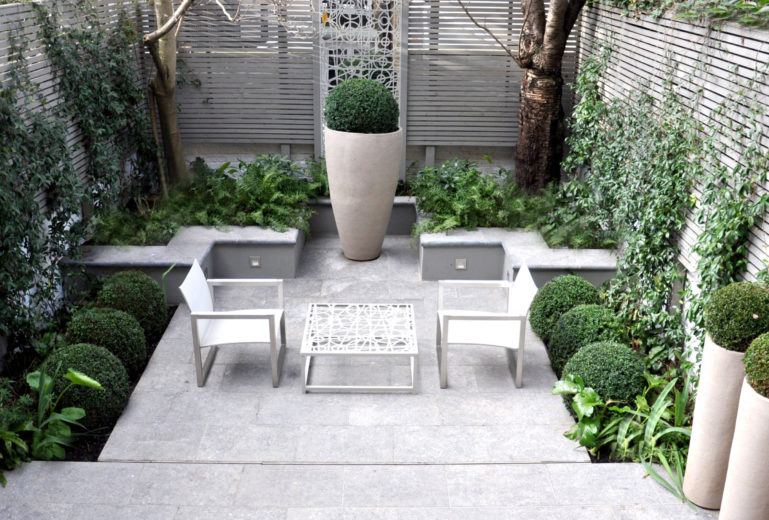
A backyard can feel exposed even when neighboring homes are not especially close. Windows, raised decks, side yards, and nearby walkways may create direct views into spaces meant for family meals, play, gardening, or quiet evenings. Practical fence design ideas should improve privacy without making the yard feel boxed in or cutting off useful light and airflow.
Begin by identifying where privacy is needed most. A patio may require screening at seated eye level, while a side yard may need a taller boundary near a neighboring window. Building the same solid barrier around the entire property can add cost and make outdoor areas feel smaller.
Homeowners should also consider gates, drainage, wind, maintenance, pets, children, and local requirements before choosing materials. A fence should support movement and safety as well as appearance.
Families researching exterior work, landscaping, or installation categories may find planning ideas through regional property service listings. Local rules, property boundaries, and qualified installation still need separate review.
The strongest privacy design blocks unwanted views while keeping the backyard comfortable, open, and connected with the home.
Fence Design Ideas Based On Real Sightlines
Privacy should respond to specific views rather than following one height around the entire yard. Studying the property from both inside and outside can prevent unnecessary construction.
Map The Views That Matter Most
Stand in the places used most often. Sit at the patio table, walk near the grill, look from the kitchen door, and check the children’s play area.
Notice where neighboring windows, balconies, roads, or walkways create direct sightlines.
A seated area may need privacy lower than expected because people view the yard from a chair rather than while standing.
Mark each problem area on a simple yard sketch. One taller section near a patio may solve more than extending a solid fence across the full property.
A family with a corner lot may need stronger screening along the street-facing side while keeping the rear boundary more open toward trees.
The less obvious lesson is that privacy can improve when one view is framed rather than every view being blocked. Leaving sightlines toward attractive planting or open sky helps the yard feel larger.
Combine Solid And Open Sections
A fully solid fence provides strong screening but may reduce airflow and create a heavier appearance.
Alternating solid panels with spaced sections can soften the boundary.
Lattice, horizontal gaps, decorative openings, or planting may provide partial screening while allowing light through.
Use stronger privacy near seating and lighter treatment near garden areas.
Homeowners comparing exterior carpentry, landscaping, or property work may review local household and trade categories while building a nearby shortlist.
The design should respond to wind conditions. A solid barrier may experience more pressure than one that allows controlled airflow.
Choose Materials According To Maintenance
Fence materials affect cost, appearance, upkeep, weather response, repair, and long-term use. The best choice matches the household’s maintenance habits.
Compare Wood, Vinyl, Metal, And Composite Options
Wood offers warmth and flexible design. It may require periodic cleaning, sealing, staining, or repair depending on the material and climate.
Vinyl can provide a clean appearance with lower surface maintenance. Color, expansion, impact resistance, and installation quality deserve review.
Metal fencing creates an open boundary and strong visibility. It may suit areas where security or definition matters more than full privacy.
Composite products may provide a wood-like appearance with different maintenance needs. Weight, cost, color, and installation should be checked.
A homeowner may choose wood near a patio for warmth and metal along a garden edge where openness matters.
The counterintuitive choice is using more than one material. A mixed boundary can respond better to different parts of the yard when colors and proportions remain connected.
Plan For Weather And Ground Conditions
Soil, slope, drainage, wind, rain, snow, and heat affect fence performance.
Posts need support suited to local conditions.
Water should not collect around the base.
A stepped or sloped layout may work better on uneven ground than forcing one level line.
Plant growth should also be considered. Vines and shrubs can add privacy but may place weight or moisture against the structure.
A regional exterior improvement directory may help homeowners identify local categories connected with fencing, landscaping, drainage, or repair.
The fence should remain serviceable. Leave access where future maintenance, utility work, or landscape care may be needed.
Build Privacy Without Losing Backyard Space
Small yards can feel narrower when heavy barriers dominate every edge. Proportion, color, planting, and placement affect how much space the boundary appears to consume.
Use Horizontal Lines Carefully
Horizontal boards can make a yard appear wider because the eye follows long lines across the boundary.
Spacing and board width affect the final appearance.
Narrow gaps may create airflow while limiting direct views.
Dark finishes can recede visually in some settings, while light finishes may reflect more light.
A compact patio may feel more open with a simple horizontal screen behind seating rather than a tall decorative structure on every side.
The surprising point is that a dark fence can sometimes make greenery stand out and reduce attention on the boundary itself.
Add Plants As A Second Layer
Shrubs, grasses, small trees, and climbing plants can soften hard surfaces.
Choose plants according to climate, sunlight, mature size, and maintenance.
Avoid placing fast-growing plants where they may crowd gates, paths, or neighboring property.
Layer planting at different heights rather than using one straight row.
Families researching garden care, exterior work, or property support may browse regional home and landscape listings while comparing local options.
Plants should support the fence rather than hide damage or make maintenance impossible.
Improve Gates, Safety, And Everyday Use
Privacy matters, but the fence must also support movement, access, children, pets, deliveries, and yard maintenance.
Design Gates Around Normal Traffic
Place gates where people naturally walk.
Measure equipment that may need access, including lawn tools, bicycles, carts, or outdoor furniture.
A gate that is too narrow creates repeated inconvenience.
Check swing direction and ground clearance.
Hardware should remain easy to operate while supporting household safety needs.
A side gate near trash storage may need different dimensions from the main backyard entry.
The less obvious improvement may be adding one wider service gate instead of forcing large items through the family entrance.
Keep The Boundary Easy To Inspect
Walk the fence line during regular yard maintenance.
Look for loose boards, leaning sections, damaged hardware, surface wear, soil movement, and plant pressure.
Keep vegetation controlled around gates and posts.
Address small repairs before movement spreads.
Maintain clear access to both sides where possible.
A privacy fence should not become invisible after installation. Regular observation protects appearance and function.
Conclusion
A strong backyard boundary should improve comfort without making outdoor space feel closed. Study sightlines, movement, wind, planting, and household routines before selecting height or material.
Thoughtful fence design ideas use privacy where it is needed most and allow openness where the yard benefits from light, air, and views. Solid panels, spaced sections, planting, and mixed materials can work together when the design follows the property.
Choose a layout that supports gates, pets, children, maintenance, and future yard work. Avoid building more barrier than the space requires.
The best fence creates a sense of shelter while allowing the backyard to remain open enough for family life.
Frequently Asked Questions
How tall should a backyard privacy fence be?
Height depends on local rules, nearby sightlines, yard use, slope, and household needs. Review requirements before planning construction.
Is a solid fence always best for privacy?
No. Partial screens, planting, lattice, or mixed sections may block key views while preserving airflow and light.
Which fence material needs the least maintenance?
Maintenance varies by material, climate, installation, and exposure. Compare cleaning, repair, color, and long-term care before choosing.
Can plants provide enough backyard privacy?
Plants can provide strong screening over time when climate, mature size, growth rate, and placement are suitable.
Do horizontal fences make small yards look larger?
Long horizontal lines may create a wider visual effect. Board size, spacing, color, and surrounding design affect the result.
Where should a backyard gate be placed?
Place it along a natural walking route and allow enough width for people, tools, bicycles, or yard equipment.
How often should a fence be inspected?
Review the boundary during seasonal yard maintenance and after strong weather. Look for movement, damage, loose hardware, and plant pressure.
Can different fence materials be combined?
Yes. Connected colors, proportions, and details can help several materials work together across different parts of the yard.