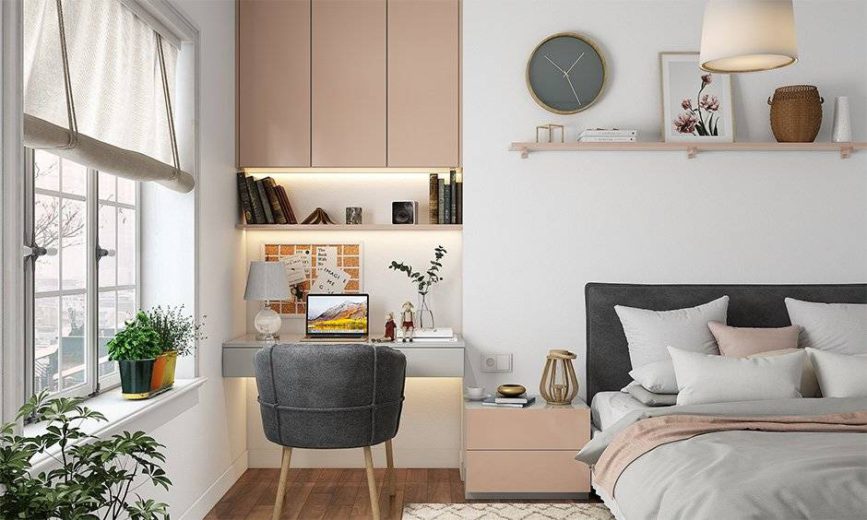
A small bedroom can still provide an effective place for studying when the available space is organized carefully. Many American students complete homework, attend online classes, read, and prepare for exams in bedrooms that also contain beds, clothing, storage, and personal belongings. The challenge is not always a lack of square footage. It is finding a way to separate schoolwork from rest without making the room feel crowded.
Families can review practical home organization guides while planning a study area that supports concentration and fits the room. A useful setup does not require expensive furniture or a complete renovation. A compact desk, suitable lighting, organized supplies, and clear routines may be enough.
The best study space should match the student’s age, school needs, and available technology. It should also remain easy to maintain. A complicated setup may look impressive at first but become difficult to use during busy school weeks.
Measure the Room Before Buying Furniture
Planning should begin with accurate measurements.
Families should measure:
Available wall space
Distance between furniture
Window locations
Door movement
Closet access
Electrical outlets
Floor area
Ceiling height
A desk should fit without blocking important walkways.
Students need enough room to sit comfortably and move the chair.
The study area should not make the bedroom difficult to enter or clean.
Furniture should be selected for the actual room rather than based only on online photographs.
A narrow desk may provide enough space for a laptop and notebook.
A deeper desk may be needed for art, textbooks, or multiple devices.
Families should consider how the space will be used throughout the school year.
A young student may need room for paper and pencils.
An older student may require a computer, textbooks, headphones, and charging access.
Home-focused small-space planning blogs may provide additional ideas for organizing compact rooms.
Use a Compact Desk
Small desks can provide a clear location for schoolwork.
Possible options include:
Narrow writing desks
Wall-mounted desks
Corner desks
Fold-down desks
Floating work surfaces
Small tables
Desk-and-shelf combinations
A wall-mounted desk may preserve floor space.
A fold-down design can be closed when not in use.
Corner desks may use areas that otherwise remain empty.
Students should confirm that the desk is stable.
The surface should support required equipment.
A desk that is too small may create clutter.
However, a large desk may overwhelm the room.
The goal is to provide enough working space without reducing comfort.
Drawers can be useful, but they are not always necessary.
A small rolling cart or wall organizer may provide storage.
Students should keep only frequently used items on the desk.
Extra materials can be stored elsewhere.
Consider a Bedside Study Setup
Some bedrooms do not have space for a traditional desk.
A compact table beside the bed may serve more than one purpose.
It can hold a lamp at night and become a study surface during the day.
The table should provide enough height for comfortable writing.
Students should avoid completing all schoolwork while sitting in bed.
Beds are associated with rest.
Studying in bed may encourage poor posture or make it difficult to separate work from sleep.
A small chair can create a more defined learning position.
When a chair cannot remain in the room, a folding model may be stored after use.
Families should make sure the setup does not create trip hazards.
Cords should remain organized.
Use Vertical Storage
Wall space can provide storage without using additional floor area.
Options may include:
Floating shelves
Wall pockets
Pegboards
Hanging organizers
Small book ledges
Mounted file holders
Shelves can store textbooks, notebooks, and reference materials.
Heavy items should be placed on stable supports.
Installation should follow suitable safety practices.
Frequently used materials should remain within easy reach.
Less common items can be stored higher.
A pegboard may hold headphones, stationery, small containers, and study tools.
Wall pockets can organize assignments by subject.
Students may use labels to identify categories.
Vertical storage should remain simple.
Too many items on the wall can create visual distraction.
The study area should feel organized rather than crowded.
Choose Comfortable Seating
A suitable chair supports concentration.
Students may spend long periods reading, writing, or using computers.
The chair should allow feet to rest comfortably.
The desk height should support a relaxed position.
Shoulders should not remain raised.
Students should avoid leaning forward for long periods.
A small cushion may improve comfort.
However, the chair should still provide stable support.
Large office chairs may not fit small bedrooms.
Compact chairs can work when they provide suitable comfort.
Students should take regular movement breaks.
No chair removes the need to stretch.
Families may explore helpful home support services when planning broader room organization and household improvements.
Improve Lighting
Lighting affects reading comfort and screen use.
Natural light can make a small room feel more open.
The desk may be placed near a window when glare can be controlled.
Students should avoid direct sunlight on computer screens.
A desk lamp can support evening study.
The light should reach books and writing surfaces.
It should not shine directly into the student’s eyes.
Adjustable lamps provide flexibility.
Warm room lighting may feel comfortable, but focused task lighting is often useful for detailed work.
Students should avoid studying in a dark room with only a bright screen.
Balanced lighting may reduce discomfort.
Window coverings can manage glare.
Mirrors may reflect light and make a small room feel larger, but they should not create distractions near the desk.
Organize School Supplies
A small study area needs clear storage rules.
Frequently used supplies may include:
Pencils
Pens
Highlighters
Paper
Notebooks
Chargers
Headphones
Rulers
Calculators
Sticky notes
A small container can hold writing tools.
Files or magazine holders can organize notebooks.
A drawer organizer prevents small items from becoming mixed together.
Students should avoid keeping old papers on the desk.
Completed work can be filed, recycled, or stored.
A weekly cleanup may prevent clutter.
School bags should have a designated location.
Hooks may keep backpacks off the floor.
Charging cables can be secured near the desk.
Students should return supplies after each study session.
Create Separate Zones
Even a small bedroom can have different functional areas.
One zone may be for sleep.
Another may be for study.
Storage may occupy another area.
Clear zones help the room feel organized.
A small rug, wall color, shelf, or desk placement may define the study space.
Large dividers are not always necessary.
Visual separation can be enough.
Students should avoid storing unrelated clutter in the study zone.
School materials should remain together.
The bed area should stay as calm as possible.
The separation does not need to be perfect.
The goal is to create clear signals for work and rest.
Reduce Digital Distractions
A study space can become ineffective when entertainment remains constantly available.
Phones should be placed out of reach during focused work.
Notifications may be turned off when appropriate.
Students can use full-screen study modes.
Entertainment devices should remain separate when possible.
A small bedroom may contain a television, gaming equipment, and a computer.
Students can create study rules.
For example:
Entertainment begins after assigned work.
Social media remains closed during study sessions.
Only required tabs remain open.
Headphones are used for learning audio.
A timer may support focused periods.
Students should also take breaks away from screens.
Add Personal Details Carefully
A study area should feel welcoming.
Students may include:
A small calendar
One favorite photograph
A motivational note
A simple plant
A project display
A schedule
Personal items can make the area enjoyable.
However, too many decorations may reduce workspace.
The desk should remain functional.
Students can rotate displayed items.
A bulletin board may hold important reminders.
Old notes should be removed regularly.
Personal style is important, but the area should still support concentration.
Home and learning-focused student room media resources may provide additional inspiration for compact spaces.
Create a Daily Reset Routine
A study area remains useful when it is prepared for the next day.
Students can spend five minutes completing a reset.
The routine may include:
Return supplies
Remove trash
File papers
Charge devices
Pack the backpack
Review tomorrow’s schedule
Clear the desk
This habit reduces morning stress.
Students are more likely to begin work when the area is ready.
Families should avoid expecting perfect organization every day.
The goal is regular maintenance.
Small bedrooms can support strong study habits when space is used intentionally.
A compact desk, comfortable chair, focused lighting, vertical storage, and simple routines may create an effective learning area without making the room feel crowded.
The most successful study space is not the largest one. It is the area students can use comfortably, organize easily, and return to consistently throughout the school year.