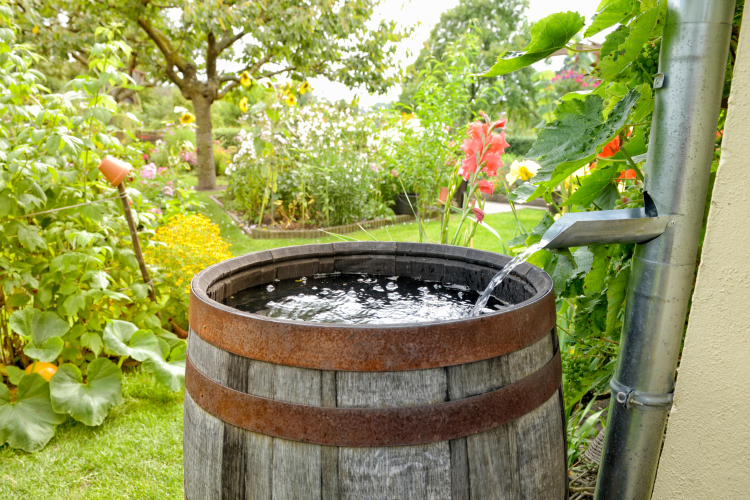
Rain barrels can help American homeowners collect water from rooftops and reuse it around lawns, flower beds, shrubs, and selected garden areas. During dry periods, stored rainwater may reduce dependence on household water for basic outdoor tasks. A small system can also help residents become more aware of rainfall patterns and seasonal water use.
A rain barrel is not a complete irrigation system, and it cannot replace careful landscape planning. The amount of water collected depends on roof size, rainfall, storage capacity, and local weather. Homeowners should also consider local regulations because rainwater collection rules differ between states, cities, and communities.
The best systems are safe, covered, easy to access, and connected to practical garden needs.
Check Local Rules Before Installation
Before purchasing equipment, homeowners should review local rainwater collection guidance.
Some areas encourage residential collection, while others may have rules about storage, connections, overflow, or water use.
Homeowners associations may also regulate the appearance or placement of barrels.
Understanding requirements early can prevent installation problems.
Residents should also consider whether permits or approved components are needed.
A rain barrel should not interfere with public drainage, neighboring property, sidewalks, or utility access.
Thoughtful water-saving landscape planning can help households connect rain collection with a broader outdoor conservation strategy.
Choose a Suitable Barrel Size
Rain barrels are available in different capacities.
A small barrel may fit beside a narrow home, while larger systems can store more water during heavy rain.
Homeowners should consider available space and expected garden use.
A very large container may be unnecessary when only a few patio plants need water.
Larger gardens may use multiple connected barrels where local rules permit.
The container should be designed for outdoor water storage and strong enough to remain stable when full.
Water is heavy, so the supporting surface must be level and secure.
Place the Barrel on a Stable Base
A full rain barrel can weigh hundreds of pounds.
The base should remain firm during rain, heat, freezing conditions, and regular use.
Concrete, compacted material, or another suitable level surface may provide support.
Soft ground can settle and cause the barrel to lean.
Elevating the container may improve water flow from the outlet, but the support must be strong and stable.
Homeowners should avoid unstable stacks of loose blocks or temporary materials.
The barrel should not block pathways, doors, utility equipment, or maintenance access.
Connect the Downspout Correctly
Most rain barrels collect water through a roof gutter and downspout.
The connection should direct water into the container without allowing large debris to enter.
A diverter may help control flow and return excess water to the normal drainage route.
Homeowners should follow installation instructions for the selected system.
Improper downspout changes may direct water toward the foundation.
Drainage around the house must remain a priority.
Creative eco-friendly home inspiration can provide ideas for blending a rain barrel into the landscape without hiding important drainage components.
Install a Secure Cover
An open container can create safety, pest, and maintenance problems.
Rain barrels should have secure covers that limit access by Children, pets, wildlife, and debris.
Open water may also support mosquito breeding.
Screens should fit properly and remain free of holes.
The cover should be checked after storms and seasonal changes.
Homeowners should never assume that a decorative lid provides complete protection.
A properly covered system is easier to maintain and safer around active households.
Prevent Mosquito Problems
Mosquito control is an important part of rain barrel care.
Screens should prevent insects from reaching stored water.
Openings around downspouts and overflow outlets should remain protected.
Homeowners should inspect the system regularly during warm months.
Standing water in nearby buckets, plant saucers, clogged gutters, and outdoor containers should also be addressed.
The barrel should not become the only focus while other water sources remain available.
Residents should follow local mosquito-control guidance when problems continue.
Plan a Safe Overflow Route
A rain barrel will eventually fill during a strong storm.
Excess water needs a safe path away from the home.
Overflow should not collect beside the foundation or flow toward neighboring property.
The outlet may connect to an approved drainage area, garden section, or existing downspout route.
The correct solution depends on property layout and local rules.
Homeowners should observe the system during rainfall to confirm that water moves as planned.
Overflow problems are easier to correct before repeated storms cause erosion or pooling.
Keep Gutters and Screens Clean
Leaves, roofing debris, seeds, and dirt can move through gutters.
Regular gutter maintenance can reduce the amount entering the rain barrel.
Screens may collect material and restrict water flow.
Homeowners should inspect the inlet after storms and during heavy leaf seasons.
Cleaning frequency depends on nearby trees and roof conditions.
A first-flush system may direct the earliest roof runoff away from storage, depending on the design.
Keeping rainwater maintenance records can help homeowners track cleaning, rainfall, water use, and seasonal performance.
Use Collected Water Around Suitable Plants
Stored rainwater can be used around many ornamental plants, garden beds, and landscape areas.
A watering can may provide simple control.
A hose connection may work when the barrel is elevated enough to provide useful flow.
Gravity systems generally produce less pressure than household water lines.
Homeowners should water near plant roots rather than spraying hard surfaces.
The amount applied should match soil moisture and plant needs.
Rainwater storage does not mean plants should be watered automatically.
Avoid Using Untreated Water for Drinking
Water collected from rooftops should not be assumed safe for drinking.
Roof surfaces, gutters, birds, animals, dust, and building materials can affect water quality.
Basic rain barrel systems are generally intended for outdoor non-drinking uses.
Homeowners should keep collected water away from household drinking supplies unless a properly designed and approved treatment system is used.
Local health and building guidance should direct any advanced use.
Children should understand that barrel water is not drinking water.
Clear labels may reduce confusion.
Water Food Gardens Carefully
Some homeowners use collected rainwater around vegetable gardens.
Practices should follow local recommendations and consider roof material, system cleanliness, and how water is applied.
Watering the soil around plants may be preferable to wetting edible leaves and produce.
Homeowners should avoid collecting from unsuitable roofing materials or contaminated surfaces.
Garden produce should still be washed before use.
When uncertain, local gardening guidance can help determine appropriate practices.
Food garden use requires more attention than watering decorative shrubs.
Monitor Water Quality and Odor
Stored water should not develop a strong unpleasant odor.
Odor may indicate excessive organic debris, poor screening, or long storage without use.
Homeowners should inspect the barrel and clean it when necessary.
The container should be emptied safely before maintenance.
Cleaning products should be selected carefully so harmful residues do not enter garden soil.
The system should be checked for leaks, damaged fittings, and loose connections.
Clearer water generally begins with clean gutters and protected openings.
Prepare for Freezing Weather
In cold regions, rain barrels may need seasonal draining and storage.
Frozen water can expand and damage containers, valves, or fittings.
Homeowners should follow manufacturer guidance.
Downspouts may need to be reconnected to the normal drainage route during winter.
The barrel should be cleaned and allowed to dry before storage when recommended.
Permanent systems may require different winter procedures.
Seasonal preparation should happen before extended freezing temperatures arrive.
Combine Rain Barrels With Water-Wise Landscaping
Rain collection works best when outdoor areas also conserve moisture.
Mulch can reduce soil drying.
Native or regionally adapted plants may require less supplemental watering after establishment.
Grouping plants with similar water needs can improve efficiency.
Drip irrigation and careful watering schedules may reduce waste.
A rain barrel is most useful when water is applied where it provides a clear benefit.
Balanced sustainable garden guidance can help households build practical conservation habits without making yard care complicated.
Rain barrels can support water savings when they are installed safely and maintained consistently. American homeowners should check local rules, choose stable containers, protect openings, manage overflow, and use collected water responsibly. A single barrel may not supply an entire landscape, but it can provide useful water for selected plants while encouraging more thoughtful outdoor water use.