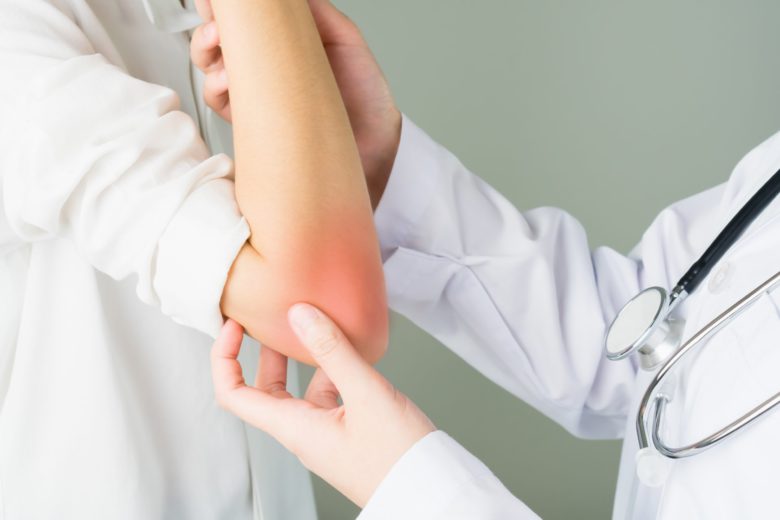
An elbow injury can begin with only mild discomfort, making it easy to dismiss as temporary soreness from exercise or repetitive activity. However, what starts as occasional stiffness can gradually develop into a condition that affects daily routines, work performance, or recreational activities. Recognizing the early warning signs allows individuals to seek professional evaluation before the injury progresses. When traditional methods no longer yield long-lasting results, regenerative medicine may come up.
Pain That Returns After Every Activity
One of the earliest indications of a persistent elbow problem is pain that repeatedly returns after specific movements. The discomfort may disappear during rest but quickly reappear when lifting objects, gripping tools, swinging a racket, or performing repetitive motions.
Recurring pain often suggests that the underlying tissue has not fully recovered. Instead of assuming the discomfort will eventually disappear, it is wise to monitor how frequently symptoms return and whether they become more intense over time.
Gradual Loss Of Grip Strength
The elbow works closely with the muscles of the forearm and hand. As soft tissues become irritated or damaged, everyday tasks such as opening jars, carrying shopping bags, or holding sports equipment may become noticeably more difficult.
Many people first notice weakness rather than severe pain. Reduced grip strength that continues for several weeks deserves medical attention because it may indicate deeper structural issues affecting tendons or supporting tissues.
Morning Stiffness That Lasts Longer
Temporary stiffness after strenuous activity is common, but stiffness that appears every morning or persists long after waking can be a warning sign.
Healthy joints generally loosen quickly with gentle movement. When the elbow remains stiff despite stretching or light activity, the healing process may not be progressing as expected. Persistent stiffness can also interfere with flexibility and overall arm function.
Limited Range Of Motion
An elbow should move smoothly through bending and straightening without significant discomfort. Difficulty extending the arm completely or rotating the forearm may signal that inflammation or tissue damage is interfering with normal movement.
Restricted motion often develops gradually, making it difficult to notice until simple activities such as reaching overhead or lifting lightweight objects become uncomfortable.
Symptoms That Do Not Get Better With Conservative Treatment
For minor elbow injuries, the first recommendations are typically rest, ice, physical therapy, and activity reduction. Many people improve with these conservative treatments.
However, when several weeks or even months pass without meaningful progress, healthcare providers may recommend additional diagnostic testing. Persistent symptoms despite following a rehabilitation program suggest that the injury deserves a more detailed assessment rather than continued self-treatment.
Repeated Flare Ups After Recovery
Some elbow injuries seem to heal before unexpectedly returning. A person may feel better for several weeks, resume normal activities, and then experience another painful episode after relatively minor effort.
Repeated flare-ups often indicate that damaged tissues have not regained sufficient strength. Instead of simply treating each recurrence, physicians may explore options that focus on supporting long-term tissue recovery.
For individuals discussing advanced orthopedic care with their specialists, Stem cells to help with elbow injuries may become one of several regenerative treatment options considered as part of a personalized care plan.
Increasing Difficulty Performing Everyday Tasks
Early elbow injuries often affect sports or physically demanding work first. As the condition worsens, ordinary activities such as driving, typing, cooking, or picking up children may also become uncomfortable.
When symptoms begin interfering with normal daily life instead of only strenuous activities, it is important to seek professional guidance before the condition progresses further.
Why Early Evaluation Matters?
Prompt evaluation helps healthcare providers identify whether the injury involves tendons, ligaments, cartilage, or surrounding soft tissues. Imaging studies and physical examinations provide valuable information that guides treatment recommendations.
Addressing problems during the earlier stages may improve rehabilitation outcomes and help individuals avoid prolonged periods of limited function.
Conclusion
Not every elbow injury requires advanced treatment, but ignoring persistent symptoms can allow small problems to become much more challenging. Recurring pain, ongoing stiffness, reduced grip strength, restricted movement, and repeated flare-ups are all signs that professional evaluation is appropriate. Understanding these early warning signals allows individuals to explore suitable treatment options sooner and develop a recovery plan that supports both comfort and long-term elbow health.